

The Short Version
Mofongo is Puerto Rico's signature dish — green plantains mashed in a wooden mortar (pilón) with garlic, salt, and pork (chicharrón or bacon), formed into a dome and served either as a stuffed entrée (mofongo relleno) or as a side. The dish has West African roots (parallel to fufu and plantain-based dishes from the Yoruba and broader West-Central African food traditions), evolved through the Caribbean colonial period, and is the single most recognized Puerto Rican plate. Restaurants from the casual fonda level to the fine-dining circuit serve mofongo, with the best examples coming from a handful of San Juan kitchens that take the dish seriously.
For visiting adults 21+ on a temporary JRCM patient registration, the mofongo-restaurant rotation is the daytime food layer of the trip. Cannabis frame: standard PR restaurant rules — no on-site consumption, sealed product stays at the rental, the meal is the meal.
This is the mofongo guide. For the broader food pillar context, see the pillar flagship.
What Mofongo Is
The basic preparation:
- Green (unripe) plantains are peeled, cut into rounds, and fried until tender
- The fried plantain is transferred to a pilón (wooden mortar)
- Garlic, salt, and rendered pork (chicharrón crumbled, or bacon, or pork-fat) are added
- The mixture is mashed and worked into a paste, then formed into a half-sphere
Mofongo by itself is the side-dish version — served alongside meat, fish, or vegetables.
Mofongo relleno is the stuffed-entrée version. The mofongo dome has a hollow center filled with the protein of choice: shrimp in garlic sauce (camarones al ajillo), conch in tomato sauce (carrucho guisado), pollo en salsa, churrasco, lobster, octopus. Comes with a separate sauce ladled over.
Trifongo is the variation that incorporates yuca and ripe plantain alongside the green plantain — a sweeter, more complex base.
The texture varies by kitchen. Done well, mofongo is dense but not gummy, with visible plantain structure and the garlic-and-pork flavor running through. Done poorly, it's a heavy paste that overwhelms the protein.
Where to Eat Mofongo in San Juan
A range of options across price points and neighborhoods:
Casual / Fonda Tier
El Jibarito (Old San Juan) Old San Juan classic on Calle Sol. Reliable mofongo across the standard preparations. Casual sit-down, English-friendly staff, the kind of place tour groups end up but with the food quality intact.
La Cueva del Mar (Multiple locations) Seafood-focused chain with several San Juan locations. Mofongo with conch, shrimp, or octopus is the standard recommendation. Casual, often crowded, reliable.
Lechonera Los Amigos (Santurce, also Guavate) The Santurce location of the Guavate-strip lechonera. Mofongo here is lechón-paired (the obvious choice), and the rest of the menu is the cocina-criolla canon. Casual, weekend-busy.
Casita Miramar (Miramar) A Miramar-neighborhood favorite that's been growing in reputation. Modern take on cocina criolla, with mofongo done with care.
Mid-tier / Sit-Down
Raíces (Old San Juan) Old San Juan restaurant explicitly oriented around traditional Puerto Rican food. Mofongo is part of the menu but the broader cocina criolla is the draw. Tourist-popular but the food holds.
El Cocinador (Loíza area, eastern San Juan) Less-discovered spot in the eastern San Juan area. Local-favorite mofongo, cocina-criolla menu, the kind of place where the food matters more than the room.
Fine Dining
Marmalade (Old San Juan) Modern PR cuisine with mofongo treated as a serious component. Tasting-menu format common; the mofongo is sometimes deconstructed or reinterpreted rather than served traditional.
1919 (Condado) Fine-dining restaurant inside the Condado Vanderbilt. Modern Puerto Rican menu with mofongo featured. Reservation-required, expensive, the high-end version of the dish.
Mario Pagán Restaurant (Condado) Chef Mario Pagán's flagship. PR cuisine with international technique, mofongo-related dishes when on the menu.
José Enrique (Santurce) The late chef José Enrique's restaurant continues with his vision of PR cooking. Mofongo and traditional dishes elevated through technique without being deconstructed beyond recognition. One of the city's defining restaurants.
Santaella (Santurce) La Placita-adjacent Santurce restaurant with serious cocina-criolla ambitions. Mofongo is a featured dish; the surrounding menu rewards a longer evening.
The Outliers
Verde Mesa (Old San Juan) Small Old San Juan restaurant with a vegetarian-and-vegan emphasis. Mofongo here is vegetarian-leaning, often with non-pork variations.
Princesa Gastrobar (Old San Juan) Old San Juan restaurant with a more cocktail-and-tapas-bar feel. Mofongo as small plates rather than entrées.
How to Order
A few patterns:
For first-time mofongo visitors: order mofongo relleno with a seafood filling (shrimp, conch, or octopus). The seafood-and-mofongo combination is the standard, and the seafood quality at most San Juan restaurants is reliable.
For casual lunch: mofongo as a side, alongside meat or fish. Lighter than the stuffed entrée.
For trying the variations: trifongo with seafood or meat. The yuca-and-ripe-plantain base reads differently from the green-only version.
For the fine-dining context: trust the chef. Modern PR fine-dining often plates mofongo with a non-traditional sauce or pairing; the kitchen knows what works.
Best Cocina Criolla Beyond Mofongo
A few non-mofongo dishes worth knowing for the broader food trip:
- Arroz con gandules — rice with pigeon peas, the standard side
- Lechón asado — see the Ruta del Lechón article
- Pasteles — root-vegetable masa wrapped in banana leaf, holiday season most common but available year-round at some restaurants
- Alcapurrias — yuca or plantain fritters stuffed with meat, often eaten as a snack
- Empanadillas — stuffed pastry, savory, similar to mainland empanadas but distinct
- Sancocho — root-vegetable-and-meat stew, comfort food
- Asopao de pollo or de mariscos — soupy rice with chicken or seafood
- Bacalaítos — salt-cod fritters
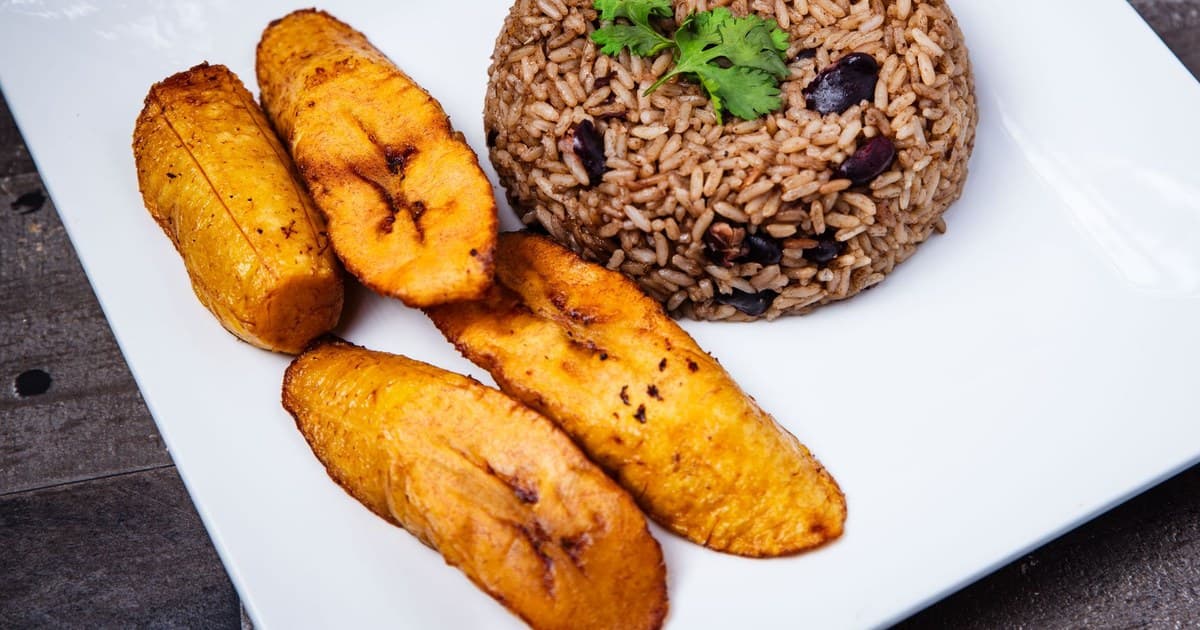
- Tostones — twice-fried green plantain rounds, the standard side
The fine-dining circuit (José Enrique, Santaella, 1919, Mario Pagán) handles all of these with chef-grade execution. The casual circuit handles them as comfort food. Both are right for different days.
The Patient-Aware Restaurant Day
The mofongo-restaurant pattern that fits the patient-aware rhythm:
- Late breakfast at the rental
- Lunch at a casual mofongo spot (Old San Juan or Santurce)
- Afternoon: walk the city, gallery hours, beach time depending on plan
- Dinner at a more serious restaurant (José Enrique, Santaella, Marmalade, etc.)
- Return to rental for evening rhythm
The PR fine-dining circuit rewards a sober-and-engaged dinner. The food is too good to dull. Restaurants are public spaces, so no cannabis at the table.
Reservations and Booking
The fine-dining tier in San Juan operates on the reservations-required pattern. José Enrique, Santaella, 1919, and the other top spots book out weeks in advance during peak season (December-April). For high-priority dinners, book before the trip.
The casual tier (El Jibarito, La Cueva del Mar, Lechonera Los Amigos) is mostly walk-in, with weekend evenings being the busy stretches.
Tipping and Payment
PR restaurants follow the US-mainland tipping standard (15-20% for sit-down service). Credit cards are universally accepted at the mid-tier and fine-dining restaurants. Some casual fonda spots are cash-preferred or cash-only.
Quick Reference
| Restaurant | Tier | Neighborhood | Mofongo Style | |---|---|---|---| | El Jibarito | Casual | Old San Juan | Traditional | | La Cueva del Mar | Casual | Multiple | Seafood-focused | | Lechonera Los Amigos | Casual | Santurce | Lechón-paired | | Casita Miramar | Mid | Miramar | Modern traditional | | Raíces | Mid | Old San Juan | Tourist-friendly traditional | | Marmalade | Fine | Old San Juan | Modern interpretation | | 1919 | Fine | Condado | Elevated traditional | | Mario Pagán | Fine | Condado | Chef-driven | | José Enrique | Fine | Santurce | Defining PR cuisine | | Santaella | Fine | Santurce | Cocina criolla, serious | | Verde Mesa | Specialty | Old San Juan | Vegetarian-leaning |
Related Reading
- PR food and cocina criolla (pillar flagship)
- Ruta del Lechón in Guavate
- Puerto Rico coffee fincas mountain tour
- San Juan cannabis neighborhood guide (pillar flagship)
This is editorial, not legal or medical advice. Restaurant menus and operations change; confirm before booking.
Maya, Editorial Team
Maya covers the sensory and product side of cannabis — aroma, palate, terpene profiles, and the craft of consumption methods from edibles to vaporization to tinctures. Their writing anchors the network's cannabis-education library and the THC-drinks and craft-beverage pillars.