Medical Card & Visitor Info
Where You Can Legally Consume Cannabis in Puerto Rico
PR's medical program lets registered patients 21+ buy, but says nothing about where to use. The honest map: hotels with explicit policies, short-term rentals, what counts as a public space, and the federal-jurisdiction overlay on natural reserves.
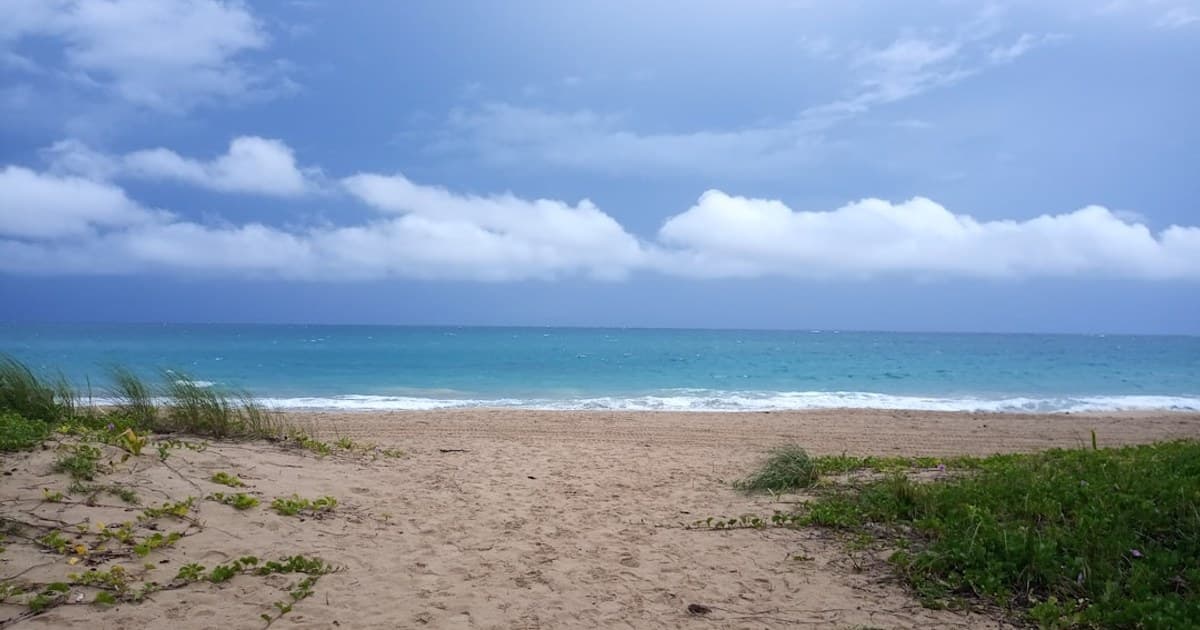
Photo by A Eugene Gray on Unsplash
The most-asked question after "can I get a temporary patient registration?" is "where do I actually use this once I have it?" PR's medical cannabis program is detailed about the buying side and effectively silent on the consumption side, which leaves visiting patients to figure out the geography of legal use on their own.
The short version: New York state law prohibits cannabis consumption on state-owned land and in public spaces, and PR's framework follows the same pattern. Beach, street, sidewalk, public park, rental-car interior, hotel pool deck — all off-limits. What's left is private indoor space where the property owner explicitly permits it. That sounds restrictive, and it is, but the workable list is real.
This is the practical map: which hotels and short-term rentals say yes in writing, what counts as a public space under PR law, the federal-jurisdiction overlay on places like El Yunque and Mosquito Bay, and the dispensary-affiliated lounges where they exist.
The Short Answer
For adults 21+ with a valid JRCM patient registration (resident or 30-day temporary), legal consumption in Puerto Rico means:
- Private indoor space where the property owner permits it. Your own home if you're a resident; a rented Airbnb or hotel room if the listing or written hotel policy explicitly allows cannabis; a friend's home if the friend is the owner and consents.
- Not anywhere "public" or state-owned. No beach, no public park, no sidewalk, no street, no rental car (driving impaired is a separate criminal issue; possession in a moving vehicle is its own complication).
- Not on federal land. El Yunque National Forest, federal facilities, and the airport are all subject to federal Schedule I enforcement, which doesn't honor PR's medical program.
If a venue's policy isn't written down, treat it as "no." The compliance frame leans heavily on the property owner's explicit consent in writing.
The Public-Space Rule and What Counts
PR's framework treats cannabis consumption similarly to how most US states treat alcohol consumption in public — prohibited as a baseline, with carve-outs for properly licensed indoor settings. Where alcohol has bars and restaurants as its public-but-licensed spaces, cannabis has effectively none. There are no licensed cannabis lounges in PR as of 2026. The closest analog is dispensary-affiliated education or sampling spaces, which exist in limited form (see "lounges" below).
What "public" means in practice:
- Beach. Every beach in PR is open to the public, and most are state-managed. Smoking, vaporizing, or consuming edibles visibly on the sand is prohibited consumption in a public space. The fact that the consumption is medical and you're a registered patient doesn't change the location frame.
- Public park. Same rule. State and municipal parks are off-limits for consumption.
- Sidewalk and street. Same rule. The fact that cannabis is decriminalized for personal-quantity possession doesn't authorize public consumption.
- Rental car interior, parked or moving. A rental car on a public street is, for consumption purposes, treated as a public space. Possession of legal-program product in original packaging is generally fine; consuming in the car is not. Driving impaired is a separate, more serious DUI issue (see driving in PR after cannabis).
- Hotel pool deck, lobby, restaurant, bar, fitness center. Public-facing common areas of a private property are public spaces for this purpose. The carve-out is your private guest room, and only if hotel policy permits it.
- Cruise ship at port. Federal jurisdiction. See cruise ships in San Juan port days.
The "private indoor space" frame is what's left, and the property-owner-consent overlay is the rest of the rule.
Hotels: The Written-Policy Test
Most hotels in PR don't have a written cannabis policy. The default in the industry is "smoke-free property," which historically covers tobacco and is increasingly read to cover cannabis as well. Vaporization is sometimes treated separately (it's not technically "smoking"), but most hotels do not draw the distinction in their guest-conduct documentation.
For visiting patients, the workable approach is to ask the hotel before booking, in writing, and keep the answer. The key questions:
- Is cannabis consumption permitted in guest rooms for adults 21+ with a valid medical registration?
- Is vaporization specifically permitted (some properties draw the distinction; most don't)?
- What's the policy on edibles (almost universally permitted, since they don't generate odor or smoke)?
- What's the cleaning fee or fine for violation (so you understand the downside if you misread the policy)?
A small number of PR properties have moved toward explicit cannabis-friendly framing, particularly in the Airbnb / short-term rental space. The major chains (Marriott, Hilton, Hyatt, IHG) almost universally maintain corporate-level smoke-free policies that include cannabis, regardless of patient registration. Independent boutique hotels are more variable.
The patient-side reality: most hotel stays are best handled with edibles in the room, no smoke or vapor, and discretion as the operating principle. If the hotel hasn't said "yes" in writing, assume "no."
Short-Term Rentals: The Same Test, More Often Permissive
Airbnb, VRBO, and similar short-term rentals in PR are substantially more variable than hotels. The operating-permission question is per-host, and many independent hosts are explicit about cannabis-friendly accommodation in their listings.
What to look for:
- "420-friendly" or "cannabis-friendly" in the listing description. This is unambiguous and the host is on record.
- No-smoking-but-vaping-OK language. Some hosts permit vaporization while prohibiting combustion smoke; the listing language is the test.
- Edibles-only properties. A small number of hosts permit edibles but draw the line at any inhalation method, including vaporization.
- "Discreet consumption permitted" language. Slightly softer than "420-friendly" but workable; means the host is informed and consents.
If a listing is silent on cannabis, the polite move is to message the host before booking and ask. Most hosts who are quiet on cannabis but accommodating in person will respond promptly with a yes or no. A non-response is, again, effectively a no — book a different listing.
The villa-rental segment in PR (particularly on the west coast around Rincón and the eastern islands of Vieques and Culebra) skews more cannabis-friendly than the urban hotel segment, partly because the properties are owner-managed rather than chain-operated. For trip planning, the Old San Juan walking itinerary covers the city pattern and the Vieques and Culebra ferry guide covers the offshore-island lodging dynamics.
The Federal-Jurisdiction Overlay
Some of PR's most-visited natural areas sit on federal land, where PR's medical-cannabis framework does not apply at all. Federal agents enforcing federal Schedule I law have discretion to arrest, charge, and seize on these properties regardless of your patient status.
The federal-jurisdiction places visitors most often encounter:
- El Yunque National Forest. US Forest Service jurisdiction. The full park, including all trails, picnic areas, and the visitor center, is federal land. See the El Yunque first-time visitor guide for the broader visitor frame; the cannabis-relevant takeaway is that consumption (and ideally even possession) on the property is the highest-risk consumption setting in PR.
- Federal facilities. Federal buildings, post offices, and the federal courthouse complex in Hato Rey.
- Airport (SJU and the regional airports). Once you're inside the security checkpoint, you're in TSA / federal jurisdiction. See returning to the mainland with cannabis.
Some natural areas that visitors might assume are federal are actually territorial: PR's state-park system (Reserva Natural de las Cabezas de San Juan, Bosque Estatal de Carite, etc.) operates under territorial jurisdiction. These are still public land where consumption isn't permitted, but the enforcement frame is territorial-civil rather than federal-criminal.
The Mosquito Bay bioluminescent bay on Vieques is in a different category again: it's part of a managed natural reserve, the boats are operated by licensed tour operators, and consumption is universally prohibited by the operators regardless of legal status. Don't.
Lounges: The Limited Exception
Licensed cannabis consumption lounges, of the form that exist in California, Colorado, or even New York, do not exist in PR as of 2026. JRCM has not issued a lounge-license category, and there is no public timeline for one.
What does exist in limited form:
- Dispensary-affiliated education or sampling spaces at a few of the larger JRCM-licensed retailers. These are typically structured as patient-only spaces (registration required) where consumption is permitted in conjunction with product education. Hours are limited and the offering varies; ask the dispensary directly.
- Private patient-only events organized by patient-advocacy groups, occasionally held in private venues. These aren't open to walk-up visitors but resident patients are sometimes the channel for visitor invitations.
Don't expect a public lounge scene. The retail-and-go-home pattern is the norm; the consumption setting is your private accommodation.
The Practical Pattern
For a typical patient visitor's trip:
- Book a property where cannabis is on-record permitted. Either a hotel that has confirmed in writing or an Airbnb whose listing says cannabis-friendly. Don't assume; verify.
- Plan consumption sessions at the rental, in the evening. Edibles are the lowest-friction inhalation alternative; they don't generate odor, they don't risk a hotel's smoke detector, and they're permitted nearly universally where any consumption is permitted.
- Treat all public space as off-limits. Beach, park, street, rental car. The medical card is a buying tool, not a public-consumption shield.
- Avoid federal property entirely. El Yunque day-trip with cannabis on you is the single highest-risk scenario for visiting patients; consume after the trip, not before, and don't bring product onto the property.
- Keep the JRCM card handy for the legitimate-patient demonstration if a non-emergency interaction with PR police occurs (rare for residents, rarer for compliant visitors).
The legal-consumption frame is genuinely tighter than what most patients are used to from California, Colorado, or recreational-state habits. It works fine for a one- or two-week visit if you plan around it.
Related Reading
- Cannabis laws in Puerto Rico (2026): the complete guide
- The 30-day temporary patient registration step-by-step
- Cannabis etiquette for tourists in Puerto Rico
- Driving in Puerto Rico after cannabis: DUI laws for patients
- Returning to the mainland with cannabis: TSA at SJU
- Old San Juan walking itinerary for cannabis patients
This is editorial, not legal advice. Verify current JRCM requirements at cannabis.pr.gov and confirm hotel + rental policies in writing before booking.